
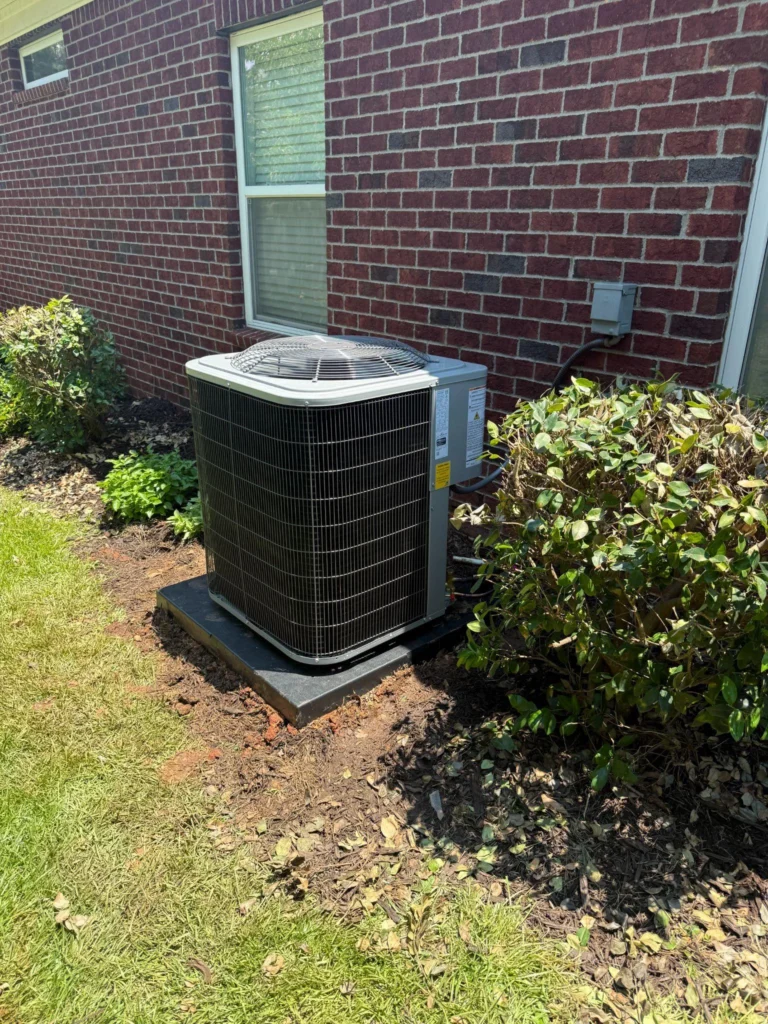
To test the air inside your home, pick the pollutant you actually care about, then match it to a method: a real-time monitor for particles, carbon dioxide, and humidity, a mail-in lab kit for radon or mold, or a professional inspection for anything structural. Most Midlands homes do fine starting with a monitor, though a neglected residential heating and cooling system can quietly skew every reading you take. Knowing how to test indoor air quality is mostly about testing the right thing.
Why Testing Your Home’s Air Is Worth the Trouble
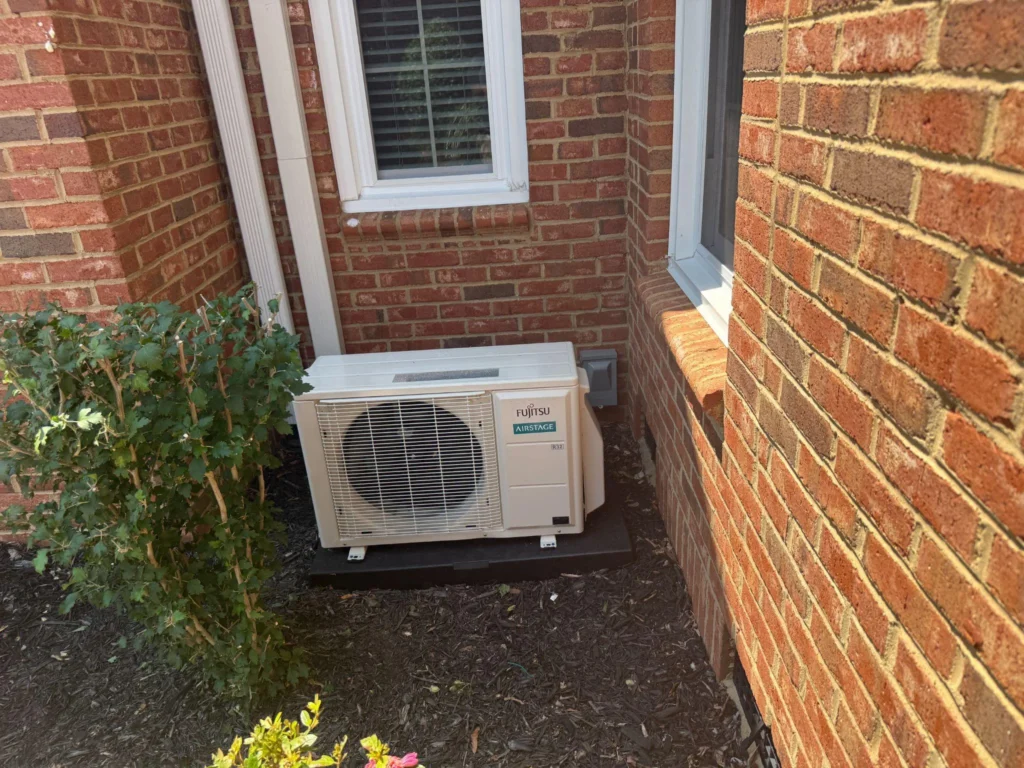
Indoor air is routinely dirtier than the air outside, and in South Carolina we seal our houses tight for eight months of the year between air conditioning season and heating season. Whatever gets in tends to stay in.
Certain moments make testing worth doing right away:
- After water damage or flooding. Mold can take hold within a day or two of moisture sitting somewhere it shouldn’t.
- After renovation, new flooring, paint, or furniture. Fresh materials release chemical vapors for weeks or months.
- After moving into an older home. You inherit whatever the last owner did, including past leaks and years of dust in the ductwork.
- When several people in the house feel the same thing. Shared headaches, fatigue, or throat irritation point at the building, not a bug going around.
Here’s the part most homeowners miss: winter readings are usually the worst of the year. The house is closed up, natural ventilation drops to almost nothing, and the furnace runs long cycles that recirculate everything already inside.
Three Ways to Test, and What Each One Catches
No single device catches everything. Pick based on what you suspect.
| Method | Cost | Best For | Main Limitation |
| Consumer monitor | $50 to $500 | Particles, CO2, humidity, daily patterns | Not lab-calibrated; shows trends, not exact numbers |
| Mail-in lab kit | $150 to $500 | Radon, mold, formaldehyde, documented results | No live feedback; one snapshot in time |
| Professional inspection | $300 to $1,000+ | Asbestos, lead paint, severe mold, home purchases | Higher cost; usually needs scheduling |
A monitor tells you when something spikes. A lab kit tells you what it is. An inspection tells you what to do about it when the answer carries legal or health weight.
Recommendations for Indoor Air Quality Testing
If you have been scrolling listings and feeling lost, here is the short version of what separates a useful device from a paperweight.
Skip the very cheapest kits. The $30 sensors sold online generally measure one thing badly. You end up with a number you can’t act on.
Avoid single-pollutant devices. A unit that only reports particulate matter leaves you blind to carbon dioxide and humidity, which are often the real story in a tight house.
Look for three things before you buy:
- Sensors for particles, carbon dioxide, temperature, and humidity at minimum
- Stored history you can pull up as a graph, not just a live number on a screen
- A connection that logs continuously, since some units only update when your phone is nearby, which is useless while you’re at work
Watch the humidity trap. This one catches people out. In laboratory testing of low-cost particle sensors, readings climbed anywhere from 100% to 425% when relative humidity rose from 50% to 90%, even though the actual particle load never changed. In a damp Midlands basement, that means your monitor may be reporting a crisis that doesn’t exist.
Buy one per floor if budget allows, and put the first one in the bedroom where you spend eight hours a night.
Step by Step: Running Your First Test at Home
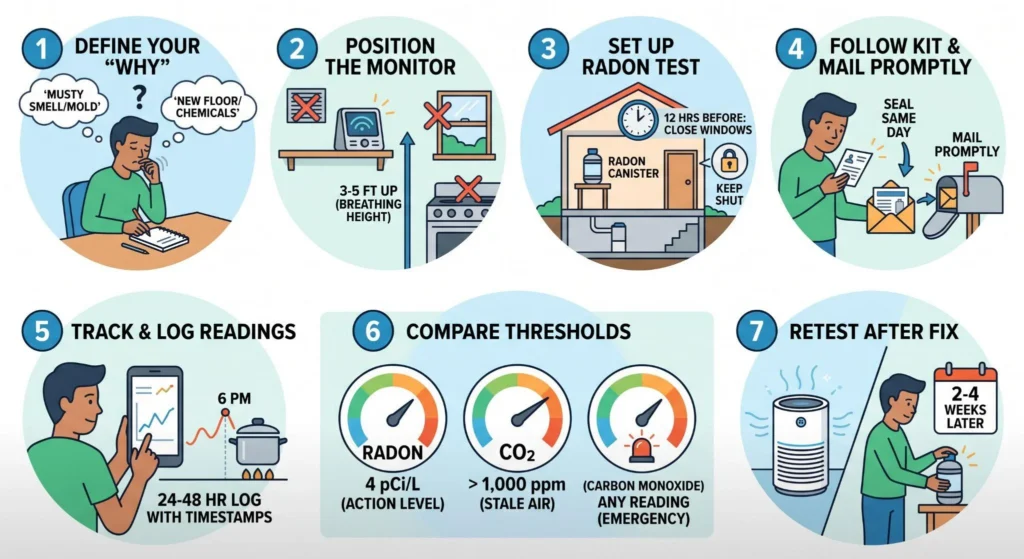
- Write down why you’re testing. A musty smell points to mold. New hardwood points to chemical off-gassing. This single sentence decides everything else.
- Place the monitor at breathing height, roughly 3 to 5 feet up, away from vents, windows, and the stove. Put it near a supply register, and you’re measuring the duct, not the room.
- Set the radon canister on the lowest lived-in floor. Close exterior windows and doors 12 hours beforehand and keep them shut for the full short-term test.
- Follow mail-in kit instructions exactly. Seal and ship the same day you collect.
- Log readings in several rooms for 24 to 48 hours, with timestamps. A spike at 6 p.m. every evening is a cooking problem, not a house problem.
- Compare against real thresholds. Radon action level is 4 pCi/L. Carbon dioxide above 1,000 ppm means the air is stale and under-ventilated. Any carbon monoxide reading at all is an emergency.
- Retest 2 to 4 weeks after any fix so you know it actually worked.
One note on particle numbers: the EPA limits of 9 µg/m³ annually and 35 µg/m³ over 24 hours are outdoor air standards. There is no federal indoor limit, so treat those figures as a rough yardstick rather than a pass or fail line.
What Your Results Mean and What to Fix First
| Result | First Move |
| Radon above 4 pCi/L | Call a state-certified mitigation contractor, then retest |
| Carbon monoxide detected | Leave the house, call 911, then have every combustion appliance inspected |
| Particles elevated | Upgrade to a MERV 13 filter, add a HEPA purifier, vent the kitchen |
| Chemical vapors high | Ventilate hard, find the source product, switch to low-VOC versions |
| Mold found | Fix the water problem first, or it comes back |
| CO2 above 1,000 ppm | You need mechanical fresh air, not just an open window |
When Your HVAC System Is the Actual Culprit
Joe Wagner has 23 years in the trade, most of it in South Florida, where the cooling season never really ends, and the last five here in South Carolina. One pattern repeats in both markets: the homeowner has a monitor full of alarming numbers and no idea where they come from. Check the equipment before you blame the room.
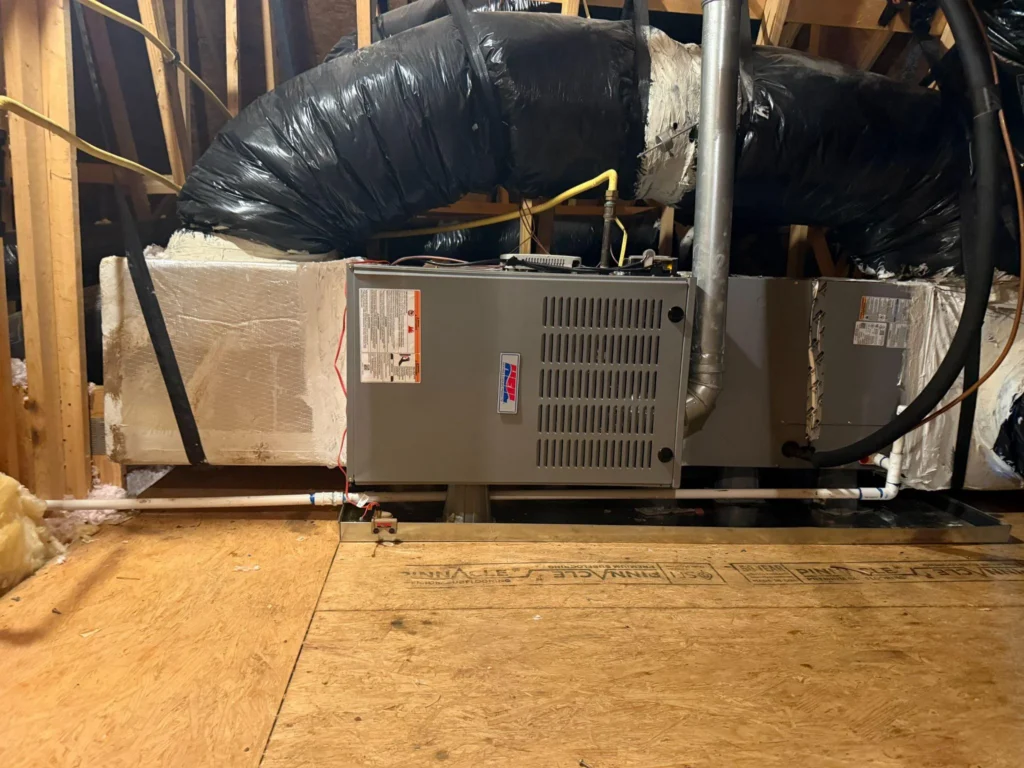
- Cracked heat exchanger. Leaks carbon monoxide straight into the air you breathe.
- Dirty evaporator coil. Sits wet and grows mold, then spreads spores on every cycle.
- Clogged filter. Lets fine particles sail through instead of catching them.
- Leaky return ducts. Pull attic and crawlspace air into the house all day long.
If several rows in that table light up at once, book a scheduled maintenance visit before spending money room by room.
If You Manage a Commercial Space
Businesses face stricter expectations and a longer equipment list:
- Rooftop units. Commercial HVAC systems move far more air per hour than a house does, so one fouled coil reaches everyone in the whole building.
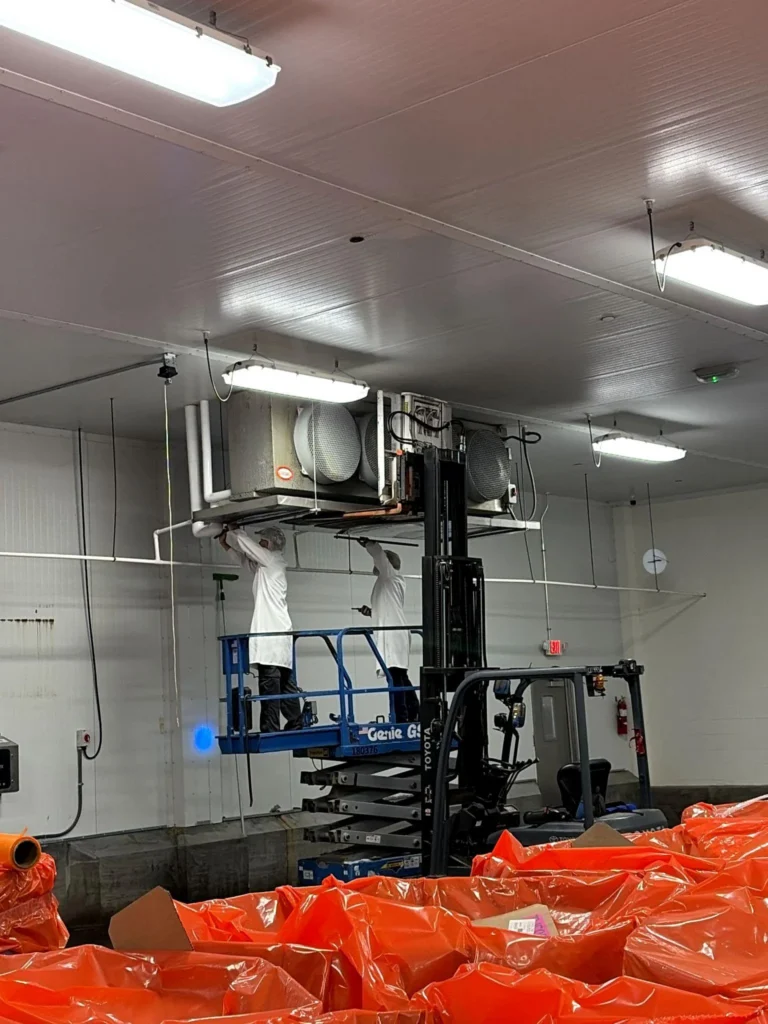
- Coolers and freezers. In restaurants and retail, commercial refrigeration equipment adds condenser heat, moisture, and drain pans to the picture.
- Occupancy swings. A dining room at capacity drives CO2 up fast, which is why ventilation gets sized for the busiest hour rather than the average one.
Know What You’re Breathing Before You Spend Money Fixing It
Testing is cheap. Guessing is expensive. Start with one concern, choose the method that matches it, and treat your first set of numbers as a baseline rather than a verdict. If those numbers point at your equipment, our HVAC contractor in Chapin, SC can help. Call (803) 575-2919 or look through our HVAC and refrigeration services to book a diagnostic visit.
FAQs About How to Test Indoor Air Quality
Can I trust a $50 monitor?
For trends, yes. It will reliably show you that particles triple when you fry something. It won’t give you a defensible number for a real estate dispute or an insurance claim.
How long should a test run?
Give a monitor at least 24 to 48 hours to catch daily cycles. Short-term radon canisters need 2 to 7 days with the house closed up. Long-term radon tests run 90 days and give a truer average.
Do air purifiers make testing unnecessary?
No. A purifier treats one room’s particles. It does nothing for radon, carbon monoxide, or the ventilation problem behind high CO2. Test first, then decide whether a purifier is even the right tool. Filtration helps, but it never substitutes for fresh air or working HVAC equipment.
Does Wagner do air quality testing?
Wagner is a licensed mechanical contractor, SC License CLM.118927, focused on diagnosing and repairing the heating, cooling, and refrigeration equipment that drives many air quality complaints. For certified radon or asbestos testing, you’ll want an accredited inspector.