
The best heating and air conditioning system for your home comes down to four things: your home’s square footage, existing ductwork, South Carolina’s climate, and your budget. There is no single answer to what is the best heating and air conditioning system for every house in the Midlands, but matching those four factors gets most homeowners most of the way there. Our residential HVAC technicians size every system to the house in front of us, not a recommendation pulled from a brochure.
Quick Picks: Best HVAC Systems for South Carolina Homes
Short on time? Here is how the main options stack up at a glance.
| System Type | Best For | Price Range (Installed) | Why It Works Here |
|---|---|---|---|
| Central Air + Gas Furnace | Homes with existing ductwork | $5,000 to $12,000 | Proven, widely serviced, handles summer heat and winter cold separately |
| Air-Source Heat Pump | Energy efficiency | $4,500 to $10,000 | Mild Midlands winters mean it rarely struggles |
| Ductless Mini-Split | Homes without ductwork | $3,000 to $8,000 per zone | No ducts needed, strong at pulling out humidity |
| Packaged HVAC Unit | Limited indoor space | $4,000 to $9,000 | Common in slab-foundation homes around Columbia |
| Geothermal Heat Pump | Long-term savings | $15,000 to $30,000 | Ground temperature stays steady no matter how hot it gets above it |
Read on for details on each option.
What Is the Best Heating and Air Conditioning System for Your Home?
Three things decide the answer for your specific house.
Your ductwork comes first. If it is in good shape, a central air and furnace setup or a heat pump will use it well. If there are no ducts, or they are in rough condition, a ductless mini-split often makes more sense than tearing open walls to add them.
Climate comes second. Chapin, Columbia, and other Midlands communities get hot, sticky summers and short, mild winters. A system that handles humidity well matters more here than one built for sub-zero cold.
Budget comes third, and not just the sticker price. A cheaper system with a low efficiency rating often costs more over ten years than a pricier one that uses less electricity every month.
How We Evaluate the Best HVAC Systems
Instead of ranking air conditioner brands the way a lot of articles do, we rank system types, because installation quality affects comfort and lifespan more than the name on the unit. These are the factors we weigh on every job:
- Energy efficiency ratings (SEER2 for cooling, HSPF2 for heat pumps)
- Reliability across the installs we see in the field, residential and commercial HVAC alike
- Upfront cost against what the system will cost to run for a decade
- How well a system handles South Carolina’s climate specifically
- Whether it works with your existing ductwork or needs a different setup
- Local parts and service availability, since a great system is only as good as who can service it nearby
A system with great reviews online is still a bad buy if nobody nearby stocks parts for it.
Comparing the Top HVAC System Types for Your Home
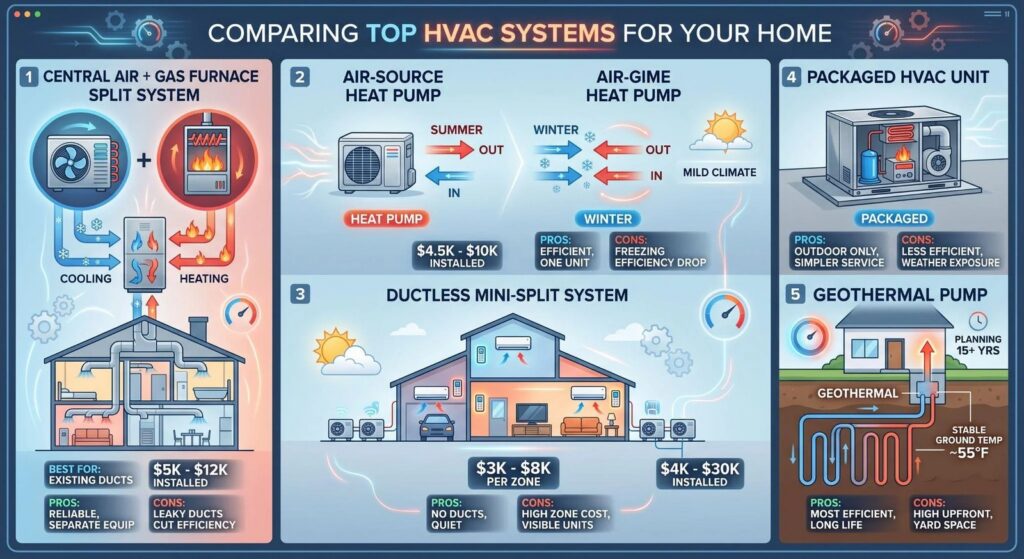
Here is what each one actually involves.
Central Air + Gas Furnace Split System
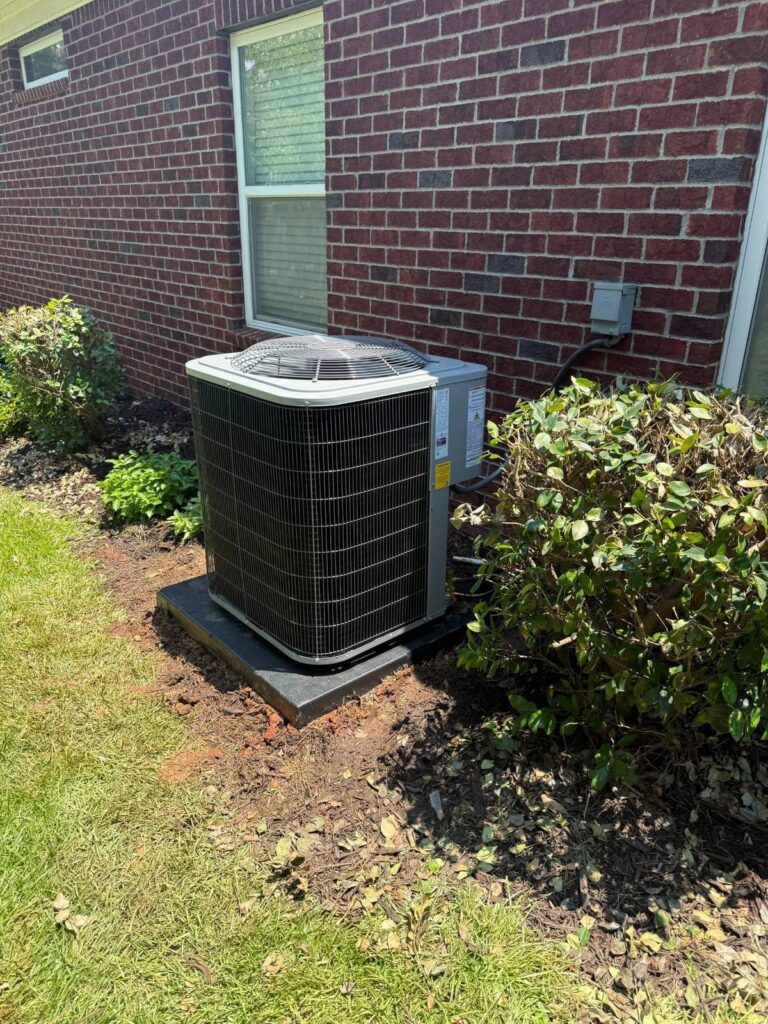
The most common residential setup pairs an outdoor condenser with an indoor furnace and air handler.
- Best for: homes with ductwork already in good condition
- Price range: $5,000 to $12,000 installed
- Pros: proven reliability, widely serviced, handles heat and cold through separate equipment
- Cons: leaky or damaged ducts cut into efficiency fast
Air-Source Heat Pump
A heat pump moves heat instead of generating it, cooling in summer and pulling in outside heat during winter.
- Best for: homeowners prioritizing efficiency in a mild climate
- Price range: $4,500 to $10,000 installed
- Pros: one unit for heating and cooling, lower monthly bills
- Cons: efficiency drops below freezing, though the Midlands rarely sees extended cold snaps
Ductless Mini-Split System
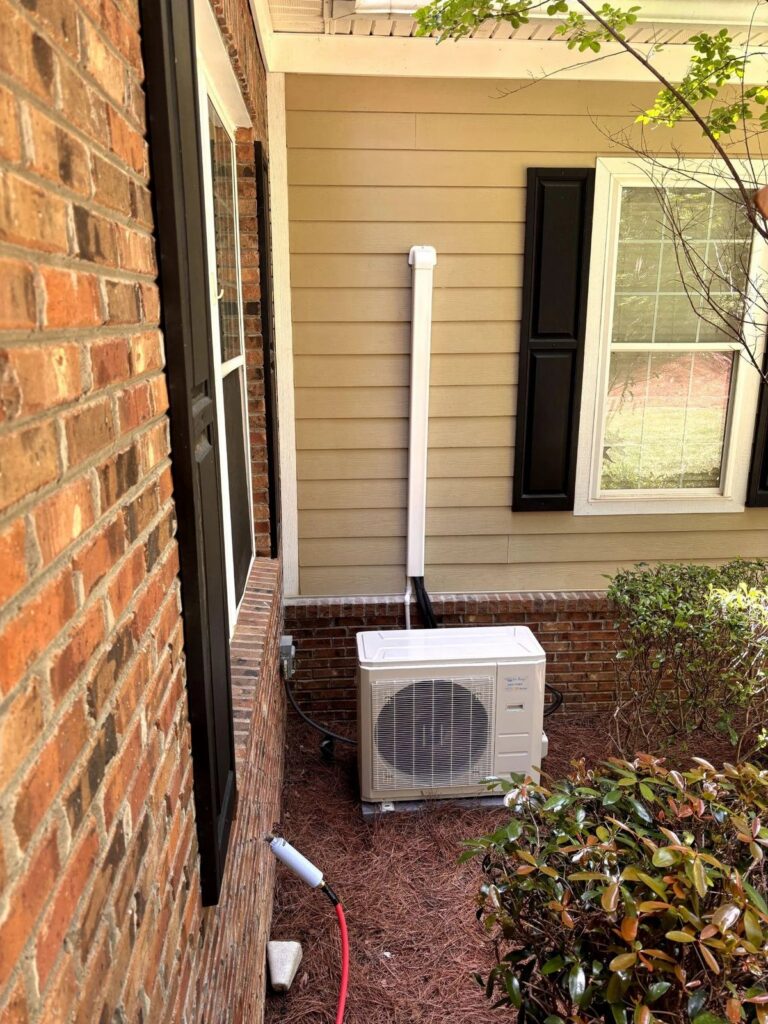
When ductwork is not an option, wall-mounted units handle each room or zone on their own.
- Best for: additions, garage conversions, or homes with no ducts
- Price range: $3,000 to $8,000 per zone installed
- Pros: no ducts required, strong humidity control, quiet
- Cons: higher cost per zone, units are visible on the wall
Packaged HVAC Unit
Every component sits in one outdoor cabinet, so nothing takes up closet or attic space indoors.
- Best for: homes on a slab with no attic or basement
- Price range: $4,000 to $9,000 installed
- Pros: straightforward installation, simpler service calls
- Cons: slightly less efficient than split systems, fully exposed to weather
Geothermal Heat Pump
Geothermal systems pull heat from stable underground temperatures instead of the outside air.
- Best for: homeowners planning to stay 15 or more years
- Price range: $15,000 to $30,000 installed
- Pros: the most efficient option available, very long lifespan
- Cons: high upfront cost, needs yard space for the ground loop
What South Carolina’s Climate Means for Your HVAC Choice
South Carolina sits inside the hot and humid region used to set federal efficiency standards for new air conditioners, so equipment installed here must meet a higher minimum rating than systems installed farther north.
Humidity is the part homeowners underestimate. A system sized only for temperature can leave a house feeling clammy even at 72 degrees. That is where heat pumps and mini-splits tend to outperform older central air setups around Lake Murray and Chapin.
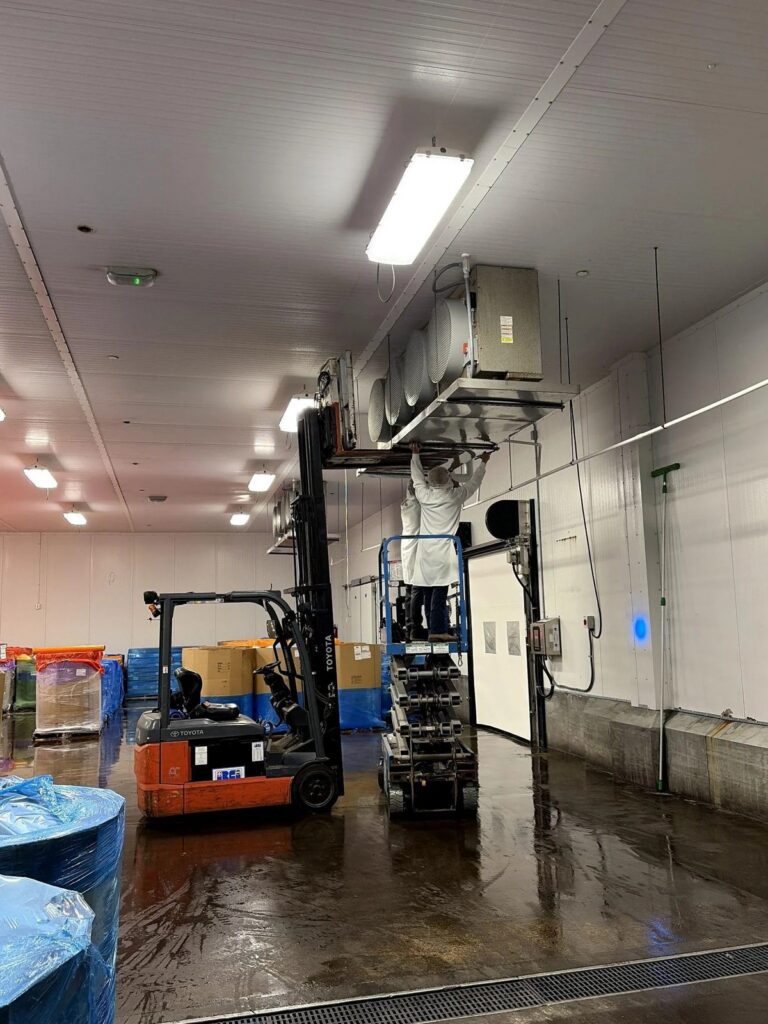
If you run a restaurant or retail space instead of a home, the equipment question splits in two. Comfort cooling for customers and staff is one system, and keeping walk-in coolers or reach-in units at temperature is a completely different piece of equipment with its own rules. Our commercial refrigeration team handles that side separately from building comfort.
What Local Homeowners Say About Wagner HVAC
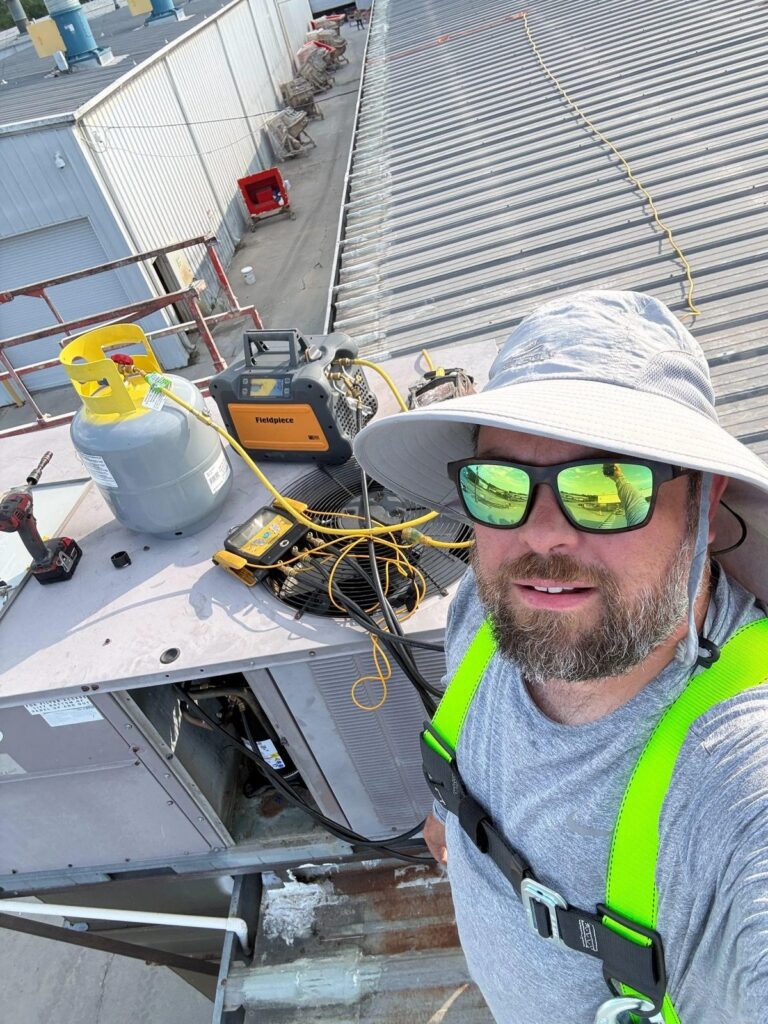
Joe Wagner has put in 23 years in this trade, the bulk of it under South Florida’s heat and humidity, with the last five working here in the Midlands, so he has handled equipment through conditions most of the country never deals with. You can read more about Joe’s background.
Homeowners rate the team a full 5 out of 5 across more than a dozen verified reviews on Angi, and the comments tend to circle back to the same thing: a straight answer about whether a system needs repair or replacement, without a push toward whichever option costs more.
Mistakes That Cost Homeowners Money
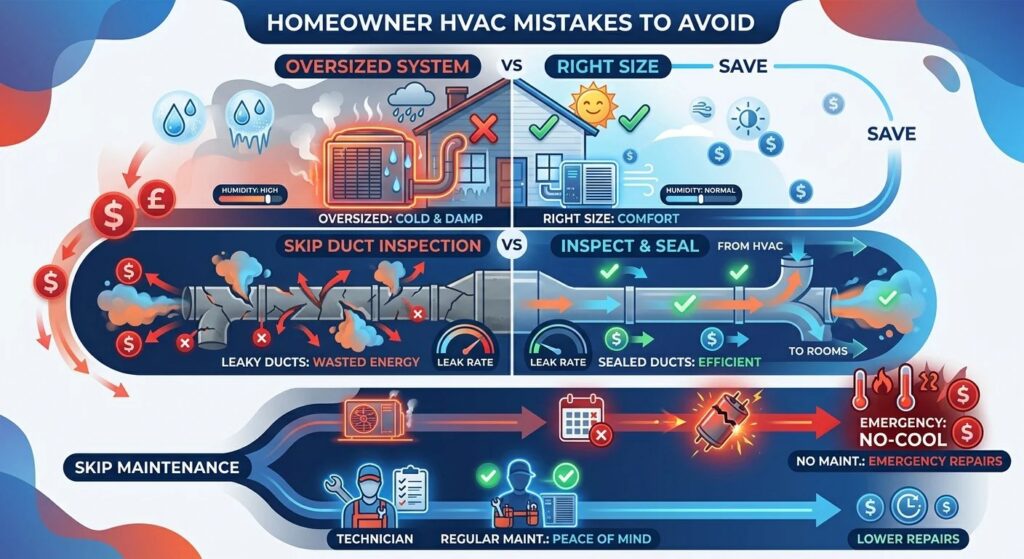
A few decisions account for most of the expensive HVAC regrets we see.
Buying based on size alone. Bigger is not better. An oversized system cools the air fast without running long enough to pull humidity out of it, leaving a cold, damp house that still feels uncomfortable.
Skipping the duct inspection. Old or leaky ductwork can waste a real share of conditioned air before it reaches a single room, so even the best central air conditioning system underperforms when the delivery side is compromised.
Treating maintenance as optional. A scheduled maintenance plan catches a failing capacitor or a slow refrigerant leak months before it turns into a no-cool emergency in August.
Get a System Recommendation Built for Your Actual Home
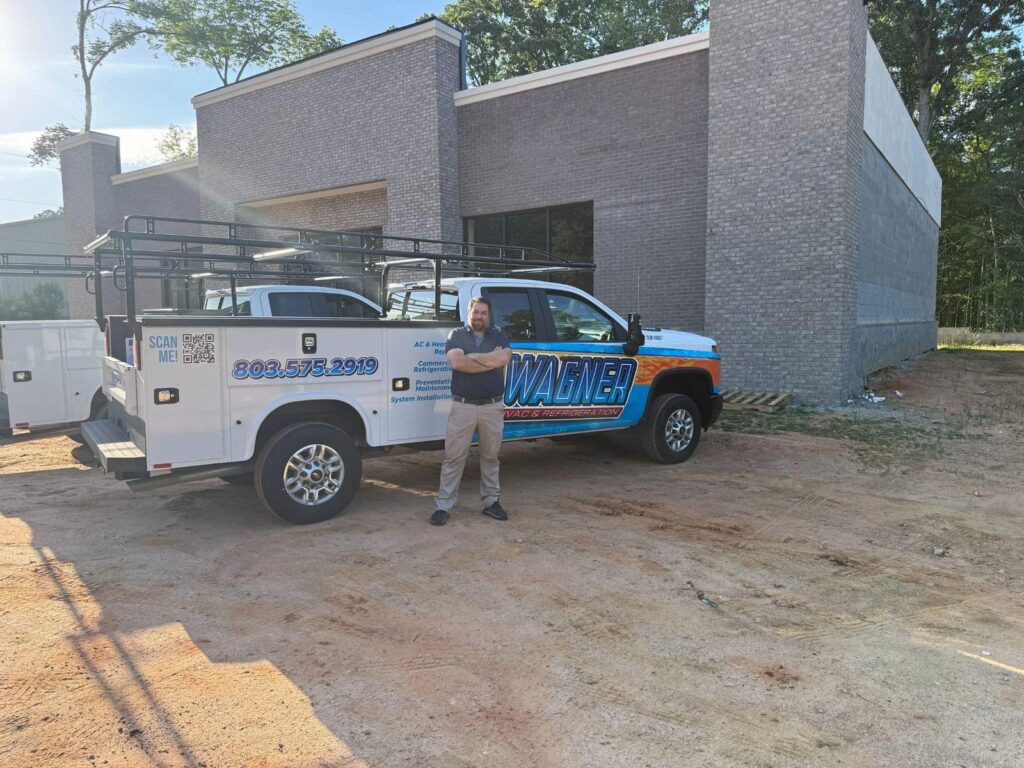
There is no universal best heating and cooling setup, because your neighbor’s house is not your house. Different square footage, different duct condition, different budget timeline. That is exactly why Wagner HVAC and Refrigeration starts with an assessment instead of a quote off a price sheet.
Call our Chapin, South Carolina office at (803) 575-2919 or email Joe@wagnerhvacr.com to schedule a home assessment and get a recommendation matched to what your house actually needs.
FAQs About Choosing a Heating and Cooling System
Is a heat pump worth it in South Carolina?
For most Midlands homes, yes. Winters here rarely get cold enough to push a heat pump into its least efficient range, so homeowners get the summer cooling they need and lower winter bills than a straight electric furnace.
FAQs About Wagner HVAC and Refrigeration
Does Wagner HVAC and Refrigeration work on both residential and commercial systems?
Yes. Residential HVAC, commercial HVAC, and commercial refrigeration are all part of the business, though refrigeration work stays limited to commercial equipment like walk-in coolers and reach-in units.