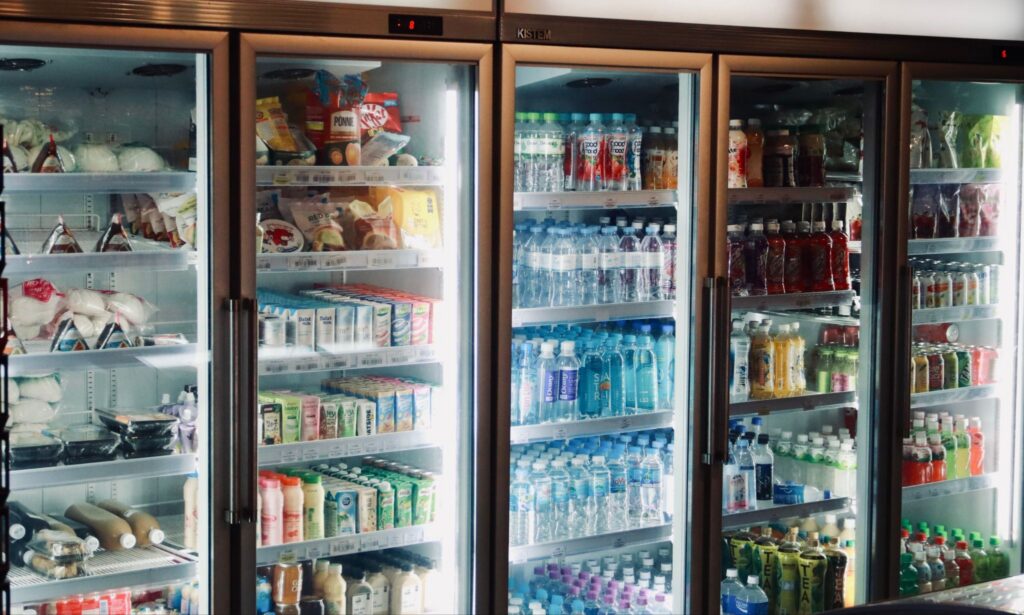
In food service, refrigerator temperatures should be checked at least twice a day, once before service starts and once at closing, with every reading written down. This how often should refrigerator temperatures be checked food service daily guide starts with the short answer: twice, and that is a floor, not a target. Wagner HVAC and Refrigeration handles commercial refrigeration repair and maintenance for kitchens across the Midlands, and the logs tell us plenty about which units are about to fail.
Why Twice a Day Is the Floor in a Commercial Kitchen
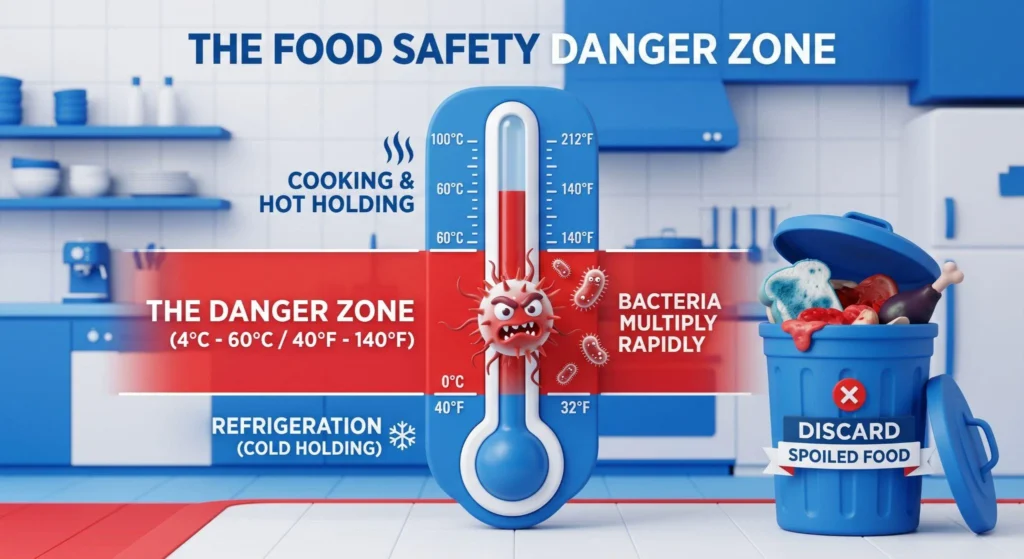
Bacteria multiply fast once food sits between 41°F and 135°F. A cooler drifting from 38°F to 43°F overnight does not look broken, but the product inside spent hours in the danger zone.
Skipped checks cost you three ways:
- Public health. Foodborne illness traces back to storage temperature more often than any single ingredient.
- Compliance. Gaps in your log are a finding on their own, even when equipment is fine.
- Product. An overnight failure nobody catches empties a full unit into the dumpster by morning.
Drift is more common than operators expect. A peer-reviewed audit published in the journal Foods found 51% of 106 retail food stores had salad case temperatures above their critical limit. These were businesses that believed their equipment was working.
How Often Should Refrigerator Temperatures Be Checked Food Service Daily Guide: Two Windows That Matter
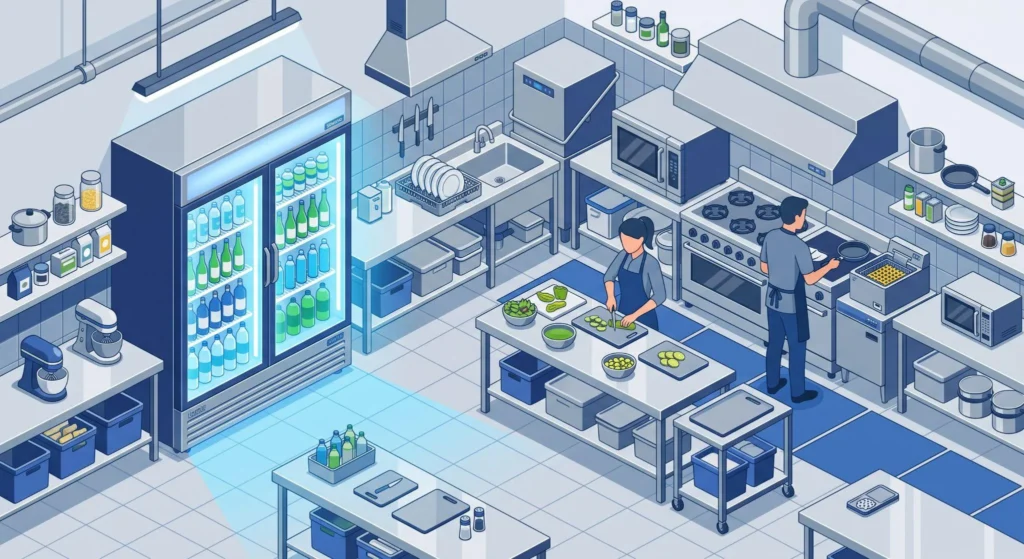
Two checks a day, spaced to cover each of those windows.
The Opening Check
Take this reading before prep starts and before any receiving goes in. It tells you whether the unit held overnight, when nobody was watching. Anything above 41°F at open is a problem to solve before service, not after.
The Closing Check
This one captures how the equipment coped with a day of door swings, warm product loading, and kitchen heat. Together, the two readings show whether a unit is steady or losing ground.
When Twice a Day Is Not Enough
Move to three or more if any of these apply:
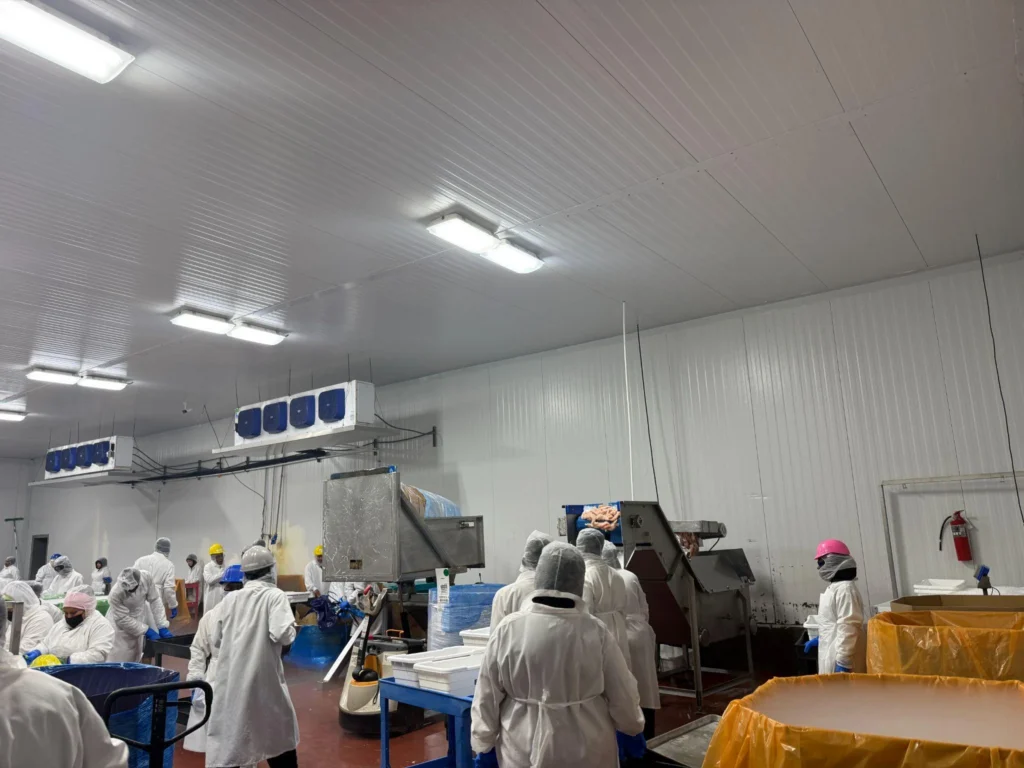
- Walk-ins holding large volumes of protein, dairy, or prepped items
- Units that regularly read at the top of the safe range
- Older equipment with a history of inconsistent readings
- Any kitchen running hot, which in a Midlands summer is most of them
Add a spot check after a large delivery or power interruption.
A Five-Minute Check That Holds Up to an Inspection
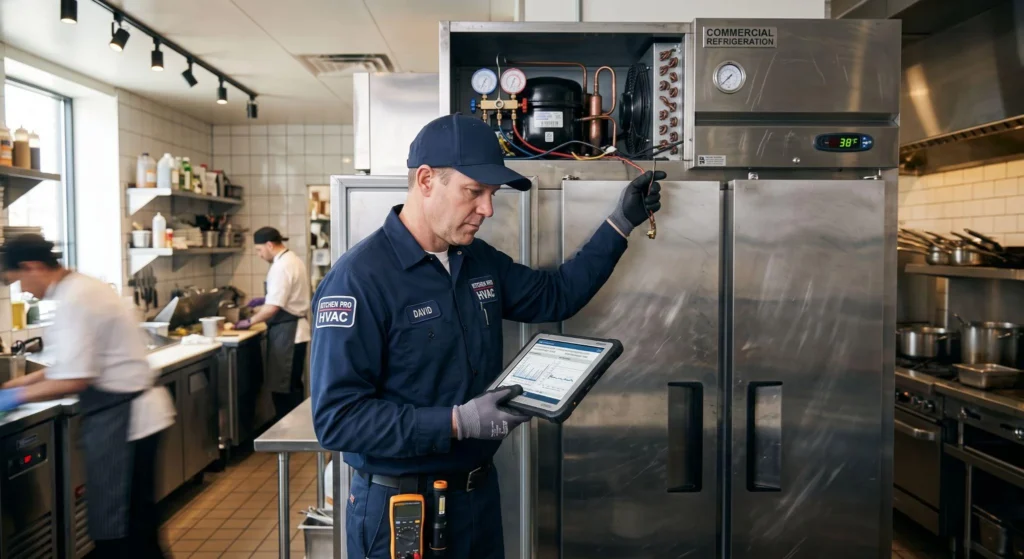
- Bring a calibrated probe and the log. Never fill a reading in from memory later.
- Wait 30 seconds after opening the door. A reading taken immediately reflects the warm air you just let in.
- Probe the warmest spot. Near the door or top shelf on a reach-in, near the door on a walk-in.
- Record the temperature, time, unit name, and your initials. Note anything odd, like frost buildup or a door that did not latch.
- Verify calibration with ice water. Crushed ice and cold water should read 32°F. A probe two degrees off gives false confidence.
The built-in display does not count. It reads at the sensor, which is rarely the box’s warmest part.
What Belongs on a Temperature Log
A log only protects you if an inspector can read and trust it. Every entry needs the date and time, the unit identifier, the reading, who took it, and any corrective action.
Paper works. Digital works better, since time-stamped entries cannot be questioned on procedure. If every line on a sheet has identical ink and pressure, an experienced inspector will notice it was filled in at once.
Keep records for at least 90 days, and confirm retention rules with DHEC, since South Carolina requirements can run longer.
Target Temperatures by Equipment Type
| Equipment | Target range | Watch for |
| Reach-in cooler | 35°F to 38°F | Steady readings of 39°F to 40°F |
| Walk-in cooler | 35°F to 38°F | No recovery below 40°F within 30 minutes |
| Display case | 35°F to 38°F | Warm zones at the top or front |
| Refrigerated prep table | 35°F to 38°F | Top rail inserts warmer than the cabinet |
| Walk-in freezer | 0°F or below | Frost on product, longer run times |
The FDA Food Code sets the ceiling at 41°F. Targeting the mid-30s gives a buffer, so a bad afternoon does not become a violation.
What to Do When a Reading Comes Back High
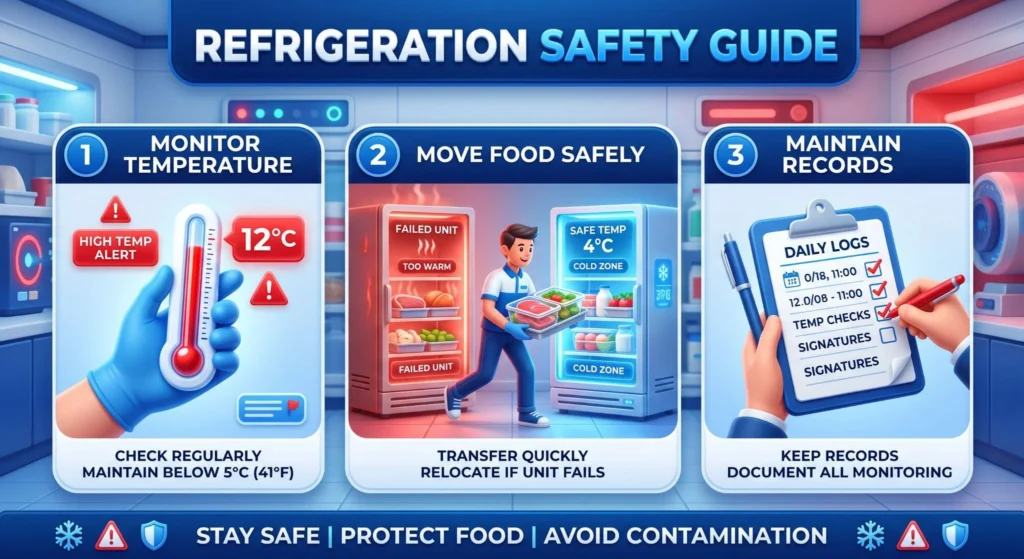
- Confirm with a second calibrated probe before acting on anything.
- Check the last logged reading to estimate how long the unit has been out of range.
- Apply the two-hour rule. Product above 41°F for over two hours you cannot account for gets discarded.
- Move everything at risk into a working unit before you start troubleshooting.
- Write down what happened, including affected items, the action, and who made the call.
- Call a refrigeration technician instead of guessing at the cause.
- Keep the unit out of service until it holds through a full operating cycle.
After a power outage, food stays safe up to four hours if doors stay shut and the box holds below 41°F.
What Your Logs Say About Your Equipment
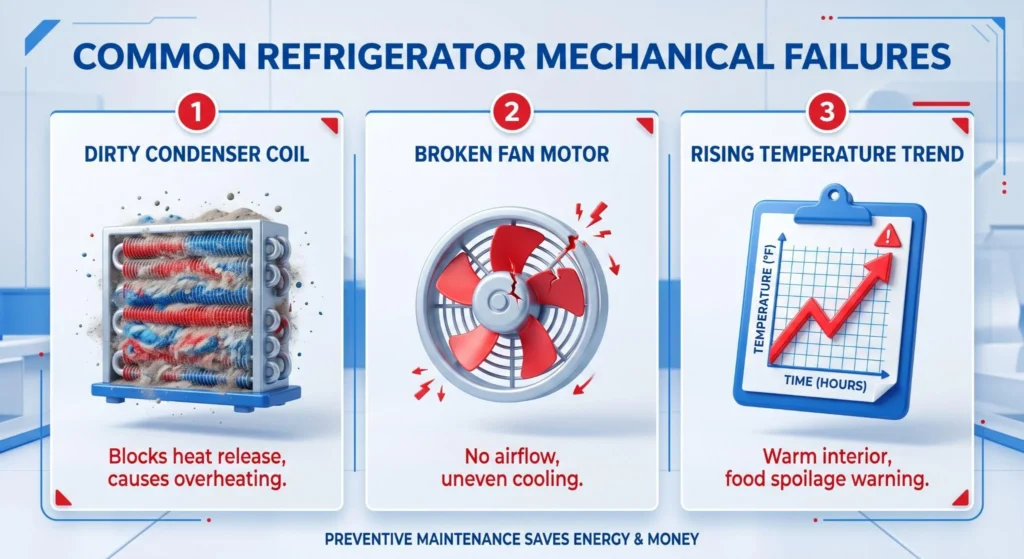
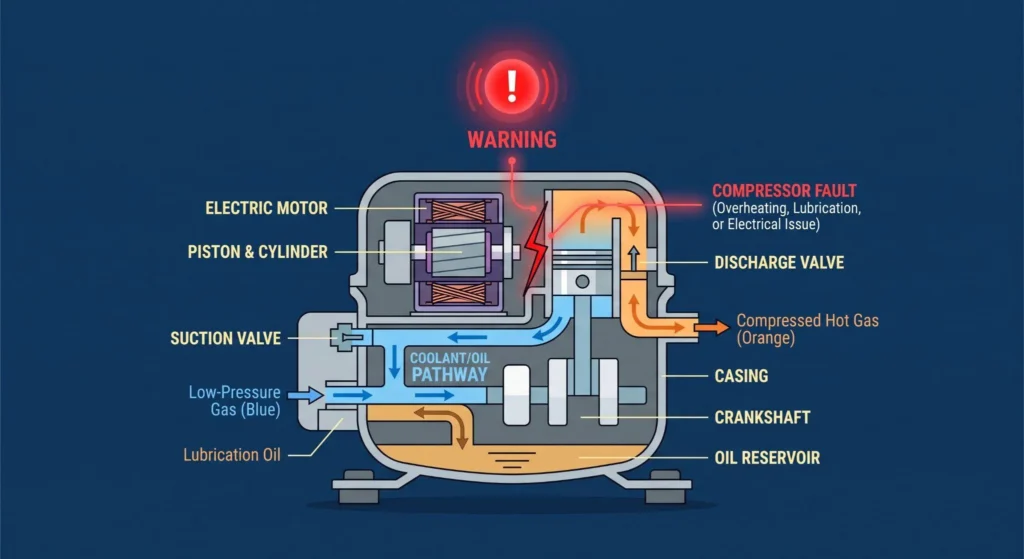
This is where most temperature guidance stops, and a technician starts. A unit that sat at 37°F and now runs 39°F to 42°F week after week is not a paperwork problem. The cause is mechanical:
- Dirty condenser coils choke heat rejection, so the unit loses ground during peak hours
- Worn door gaskets let warm kitchen air in continuously
- A slow refrigerant leak shows up as gradual upward drift, never a hard failure
- A failing evaporator fan motor cools some zones and not others, which one reading can miss
- A drifting thermostat or control board leaves the system no accurate reference
South Carolina summers make all five worse. High ambient heat keeps compressors running longer at higher head pressure, so equipment that would coast in a mild climate shows up in the logs here.
Reviewing logs weekly, not just daily, turns a trend into a scheduled call, not an emergency. Wagner HVAC and Refrigeration averages 5.0 across 18 reviews on its Google Business Profile plus 15 more on Angi, with the same themes repeating: prompt arrival, quotes without add-ons, and technicians who explain the fault. Joe Wagner’s background in the trade covers years of restaurant and grocery refrigeration work, and a preventive maintenance schedule keeps drift from becoming a Friday night call.
When 41°F Is Not Good Enough
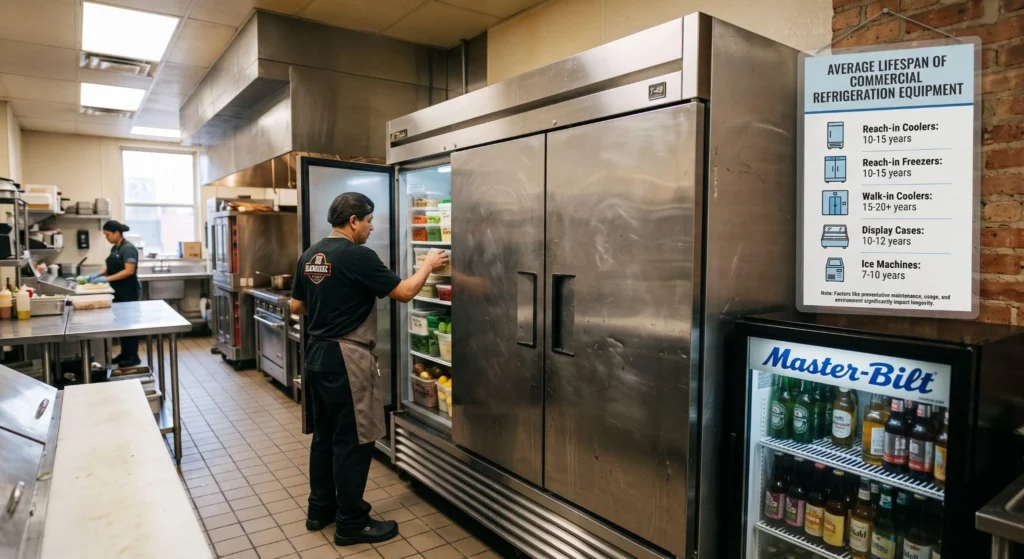
Two reach-in coolers can both read 41°F and be in very different shape. One holds it with room to spare. The other is at the ceiling, with nothing left for a Saturday delivery or a propped door.
Three things worth knowing:
- A single reading is a snapshot. Two weeks of readings is a diagnosis. Keep the sheets.
- Recovery time matters more than peak temperature. A walk-in cooler that spikes to 44°F during a delivery and recovers to 37°F in twenty minutes is healthy. One that takes two hours is not.
- Ambient heat is the variable nobody logs. A display case on a Columbia line in August fights conditions a climate-controlled stockroom never sees.
If readings look fine but the energy bill is climbing, the equipment is working harder for the same number.
Read the Trend Before It Reads You
Twice-daily checks are the floor. Operators who never lose a walk-in read last week’s numbers alongside today’s and act when the line moves. If your logs have been creeping up, or a unit has fought a South Carolina summer without service, call Wagner HVAC and Refrigeration at (803) 575-2919 or email Joe@wagnerhvacr.com.
FAQs About Refrigerator Temperature Checks in Food Service
Does the FDA Food Code require twice-daily checks? Not a fixed frequency. It requires active monitoring, and twice daily with documentation is what inspectors expect as the practical minimum.
Can I use the built-in display instead of a probe? No. Displays read at the sensor, not the warmest part of the unit, and are not a compliant check.
FAQs About Wagner HVAC and Refrigeration
Do you service residential refrigerators? No. Our refrigeration and ice machine work is commercial only: reach-in coolers, walk-in coolers and freezers, and display cases.
What areas do you cover? Chapin, Columbia, Lexington, Irmo, Ballentine, Lake Murray, and the surrounding Midlands. Call to confirm coverage for your address.
Do you handle HVAC as well as refrigeration? Yes, one call covers both: commercial HVAC repair and maintenance and our full range of services.