
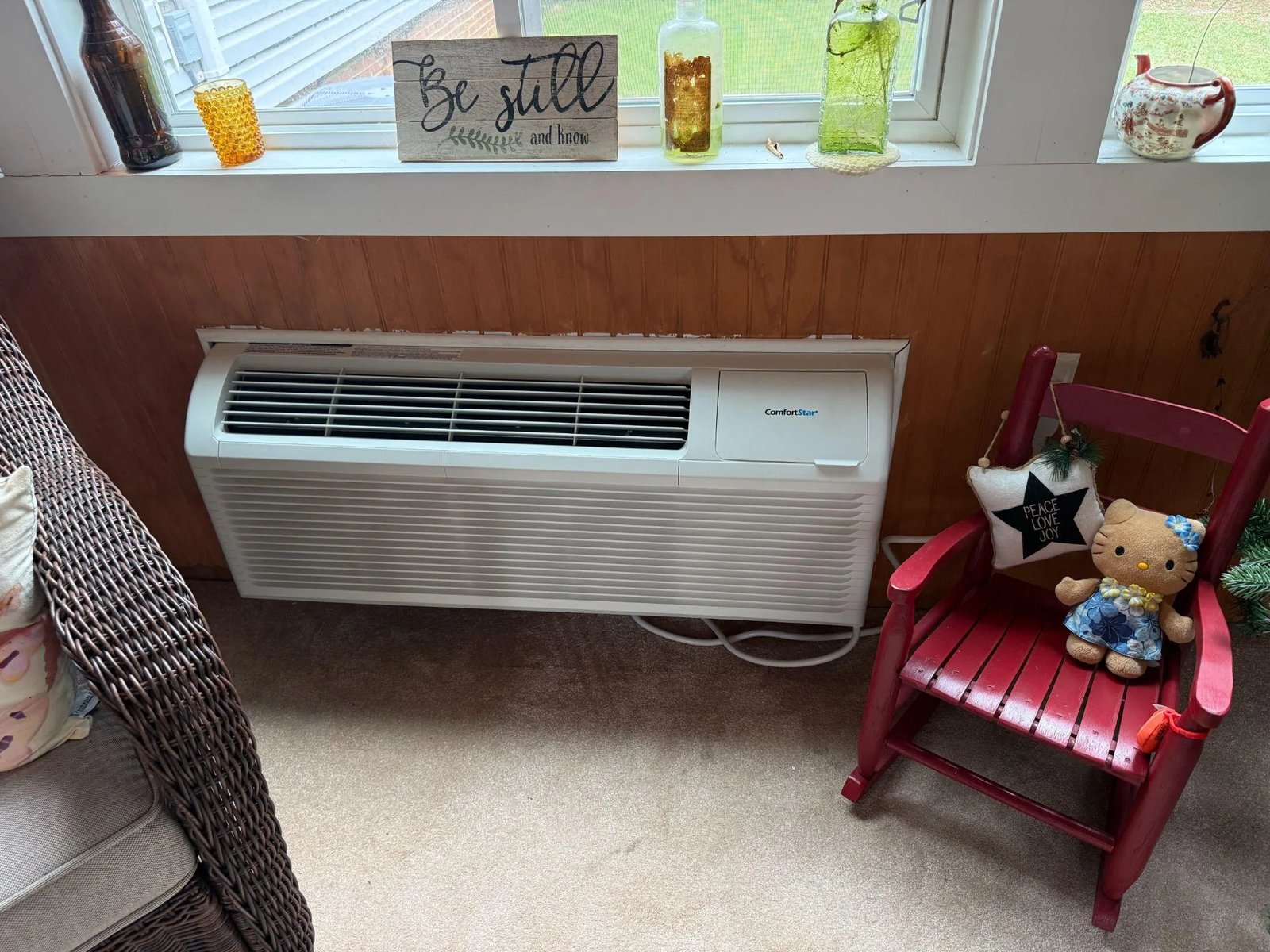
Is your air conditioner running most of the day without ever catching up with a South Carolina summer? An HVAC static pressure test measures how hard your blower works to push air through the ductwork, and it is usually the real reason one room stays hot while the rest of the house feels fine. Wagner HVAC & Refrigeration checks this on every home heating and cooling systems visit in the Midlands, because duct problems hide behind other symptoms. Here’s how the test works, what the numbers mean, and when to call in help.
What an HVAC Static Pressure Test Reveals About Your Ductwork

Total external static pressure, or TESP, is the resistance your blower fights on the return and supply sides. One reading tells you whether airflow is the problem or something else entirely.
What You Need Before You Start
A basic check does not take a truck full of tools:
- A digital manometer with two ports (an analog gauge works too, but is harder to read accurately)
- Static pressure probe tips
- A 3/8 inch drill bit
- Rubber grommets to plug the holes afterward
- Your equipment’s rated TESP, printed on the nameplate or in the installation manual
Zero the manometer with both ports open to the air first, or every later reading will be off. Let the system run five minutes before you measure, so you’re reading real operating conditions, not a unit that just kicked on.
How to Take the Reading
- Find the return side of your air handler, before the filter, and the supply side, after the coil.
- With the system off, drill a small test port in each location.
- Insert the probe tips so they point straight into the airflow, not alongside it. A sideways tip reads artificially low.
- Connect the return port to the negative side of the manometer and the supply port to the positive side.
- Turn the system on, wait five minutes, then record both numbers.
- Add the two readings together, ignoring the plus or minus signs, for your total external static pressure.
A dirty blower wheel can make a bad reading look fine, so check it in the same visit.
What the Numbers Actually Mean
Most residential systems are designed to run at or below 0.50 inches of water column:
| TESP Reading | What It Usually Means |
|---|---|
| Below 0.20 in. w.c. | Air is leaking somewhere, or a filter or duct section is missing |
| 0.20 to 0.50 in. w.c. | Normal range for most home systems |
| Above 0.50 in. w.c. | Airflow is restricted, often by a dirty filter, a blocked coil, or crushed flex duct |
A bad reading rarely stays hidden for long. The U.S. Department of Energy’s ENERGY STAR program estimates a typical home loses 20 to 30 percent of the air moving through its duct system before it reaches a register, air you already paid to condition.
Static Pressure as a Diagnostic Tool Seems Mostly Useless?

This argument shows up anywhere technicians talk shop online, and it’s worth settling for anyone paying for the service call, not just the person holding the manometer.
One side checks refrigerant pressures and temperatures first, reaching for a manometer only when something still doesn’t add up. The other checks airflow before anything else, since you can’t read a refrigerant circuit correctly if the air crossing the coil is already wrong.
Joe Wagner spent most of his career on that second side, and it wasn’t really a choice. A restaurant walk-in cooler or an ice machine doesn’t forgive a guess, so reading the data before touching equipment became a habit long before he ever worked on a home air conditioner.
You don’t need to pick a side. If your system runs constantly but one room still won’t cool, ask whether airflow was checked before anyone talks about recharging or replacing equipment. A few signs point to ductwork rather than refrigerant:
- One room is consistently hotter or colder than the rest of the house
- The system runs nonstop but never quite catches up, even overnight
- A register whistles or roars at full fan speed
- A finished attic space or added room never got its own supply run
Any one of those is worth a static pressure check before you spend money on a bigger fix.
Why Wagner Checks Airflow First in the Midlands Heat
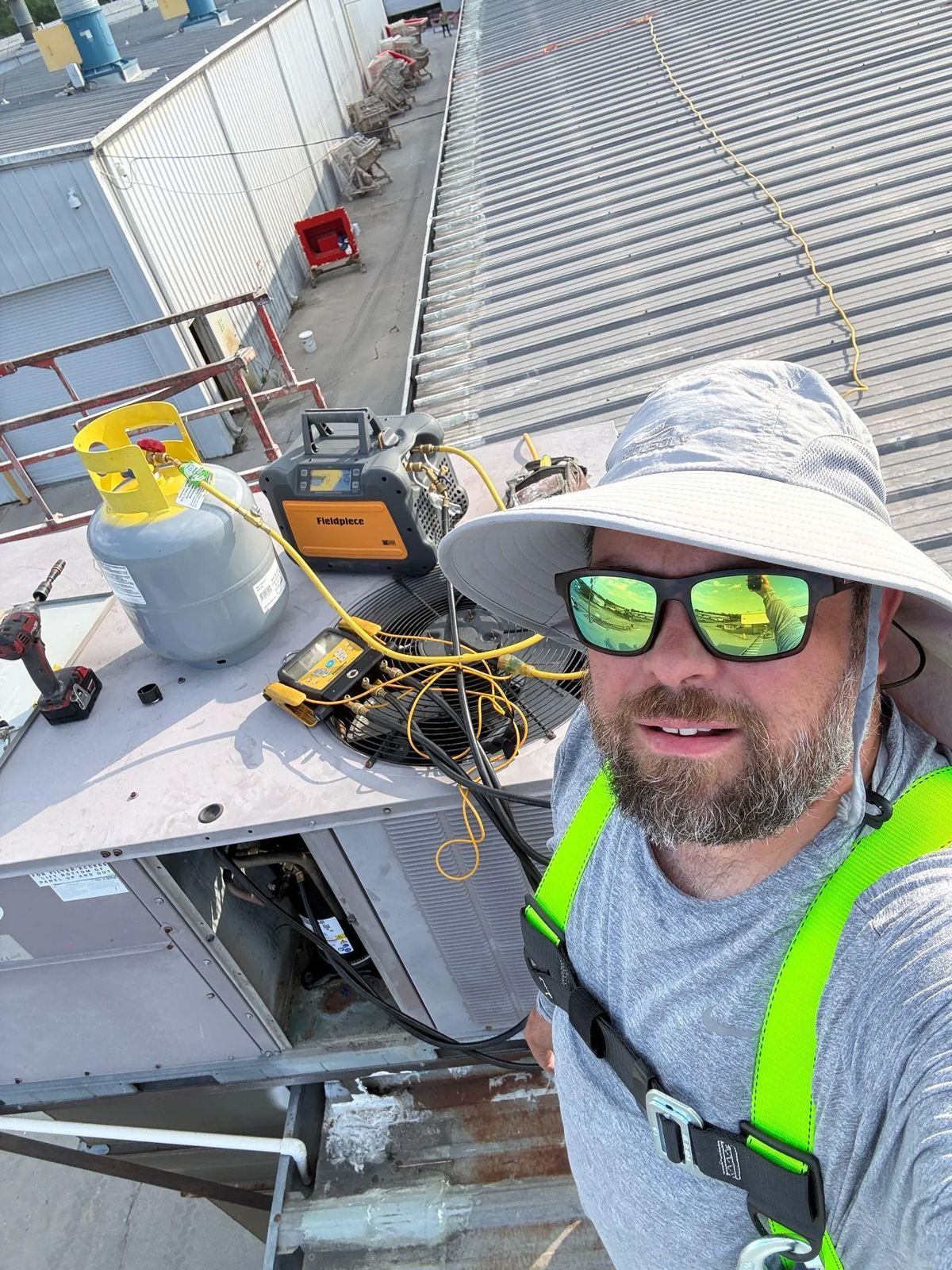
Columbia and the Midlands sit in a humid subtropical climate, and that changes what a duct problem costs you. Cooling season runs close to eight months a year, and plenty of homes in Chapin and around Lake Murray still route ductwork through hot attics or unsealed crawlspaces, a gap that shows up once June humidity settles in. A leak or crushed flex run that’s minor in a short cooling season becomes a real line on your power bill here.
Joe Wagner spent most of his 23 years in the trade working commercial refrigeration in South Florida before moving to Chapin five years ago. Reach-in coolers and ice machines run year round there, and reading pressure and temperature data before touching a sealed system becomes second nature after that long. That habit carries into every scheduled maintenance visit and every home service call, and you can read more about Joe Wagner’s full background and verify SC Mechanical Contractor License #CLM.118927 before any work begins.
Home and business owners across the Midlands back that up with a perfect 5.0 average on Angi, built from more than a dozen verified reviews, and you can see the same track record at our Chapin HVAC contractor profile on Google.
Where Airflow Checks Fit Into Our Service
Static pressure comes up in more places than one home visit:
- Commercial HVAC service for offices, retail spaces, and restaurants across Chapin, Columbia, and Lexington
- Commercial refrigeration for restaurants and retailers, kept strictly commercial since home refrigerators are a different job
- Residential repair, replacement, and installation throughout the Midlands
Get a Straight Answer on Your Airflow Before You Spend Anything
A static pressure test turns a guess into a number. You can run a basic version yourself, but a professional reading catches setup mistakes that are easy to miss, plus someone to explain what the number means for your system.
If your South Carolina home or business is running hot, cold, or constantly, call Wagner HVAC & Refrigeration at (803) 575-2919 or email Joe@wagnerhvacr.com. We check airflow before we recommend anything else, and we serve Chapin, Columbia, Irmo, Lexington, and the rest of the Midlands.
FAQs About Static Pressure Testing
Is 0.3 static pressure good?
A single-side reading of 0.30 inches of water column is usually fine, as long as your combined total stays at or below your system’s rated spec.
How do I calculate static pressure in an HVAC system?
Add the absolute value of your return reading to the absolute value of your supply reading. A return of -0.30 and a supply of +0.20 gives you a total of 0.50 inches of water column.
Is .05 static pressure good?
Not usually. A reading that low often points to a disconnected duct, a missing filter, or an oversized blower rather than a healthy system.
FAQs About Wagner HVAC & Refrigeration
Do you check static pressure during a regular maintenance visit?
Yes. Airflow is part of every scheduled maintenance visit we run, residential or commercial.
Do you work on homes and businesses both?
Yes. We handle residential and commercial HVAC, plus commercial refrigeration equipment.
Do you service home refrigerators?
No. Refrigeration work stays strictly commercial, covering walk-in coolers, reach-in units, and ice machines for restaurants and retailers.