
Refrigerator Repair vs Replace: The Right Call for Your Business
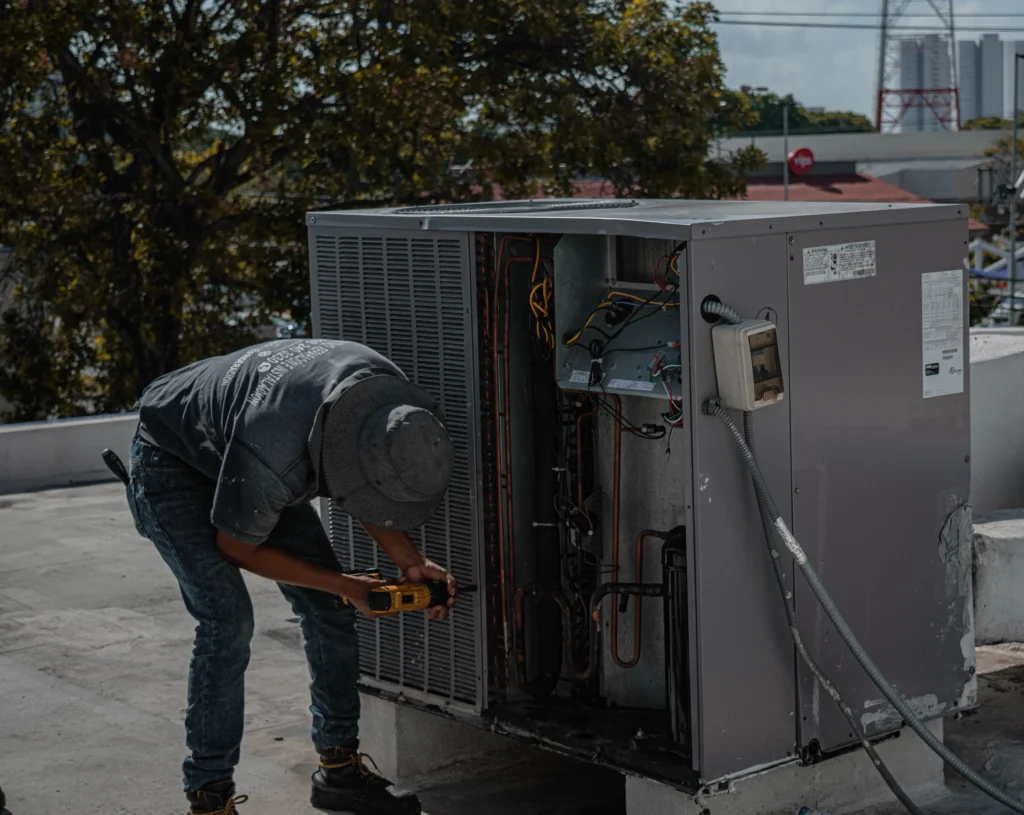
A warm walk-in cooler at six in the morning is not the time to start pricing parts. Whether the failing unit is a reach-in cooler or a full commercial refrigeration system, the refrigerator repair vs replace decision comes down to three things: how old the unit is, what the repair actually costs, and what ownership looks like from here. This walks through each one, using the same math a technician would use on-site, so you can make the call with confidence instead of guessing under pressure.
Refrigerator Repair vs Replace: Start With the 50 Percent Rule
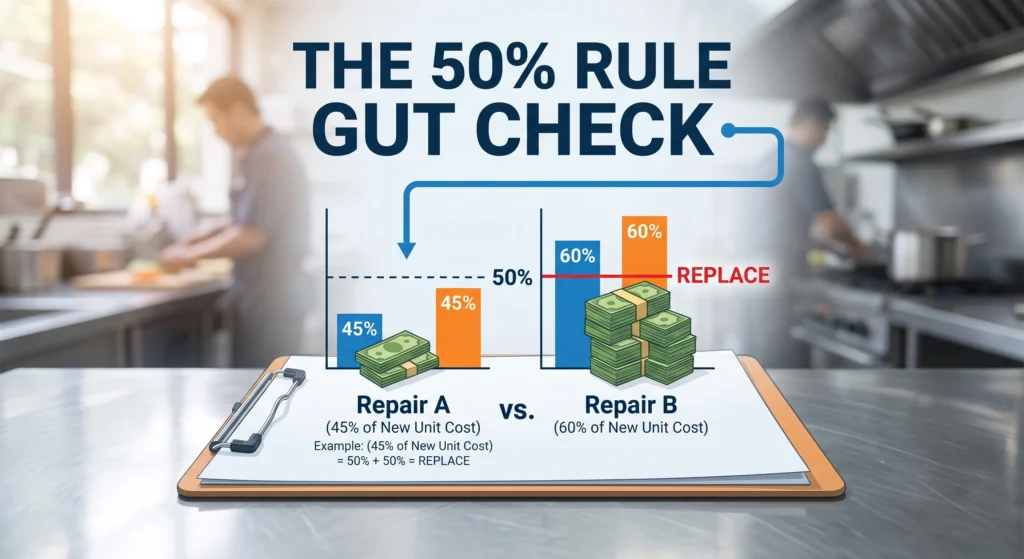
The fastest gut check in this decision is what most technicians call the 50 percent rule. If a repair costs more than half of what a comparable new unit would run, replacement is usually the smarter move financially.
Here is how that plays out on a commercial reach-in unit that costs $2,000 to replace:
- $400 repair (20 percent of replacement cost): Fix it. This is the easy call.
- $1,200 repair (60 percent of replacement cost): Replace it. The math has tipped against repair.
- Same $900 repair, but on a 5-year-old unit: Usually still worth it, since the unit has years of service left to spread that cost across.
- Same $900 repair, but on a 13-year-old unit: Rarely worth it. That money is going into a system already past its most reliable years and likely closer to its next failure than its last one.
That is the repair vs replace refrigerator math in a nutshell, and it is worth running before any repair gets approved, not after.
5 Questions to Ask Before You Approve Any Repair
Run through these five questions before approving a repair or calling around for a replacement quote. Together they cover what actually matters, so the decision is based on real information instead of pressure. Skipping straight to a quote without answering them first is how a lot of business owners end up either overpaying for a repair that was never going to hold, or replacing a unit that still had years of good service left in it.
- How old is the unit?
Under 7 years is a strong repair candidate almost every time. Between 7 and 12 years is the gray zone where cost and repair history start to matter more than age alone. Past 13 years, most major repairs are better spent on a replacement, since the unit is likely to need something else within a year or two anyway.
- What does this specific repair cost?
A thermostat or gasket job in the $100 to $250 range is almost always worth doing regardless of age. A compressor or sealed system repair north of $500 on an older unit is a much harder case to make, and it is worth getting a replacement quote before signing off on it.
- What does the repair history look like?
One repair is a data point. Three repairs in the last 12 to 18 months is a pattern, and it usually means the unit is heading toward a bigger failure no matter what gets fixed today.
- Does the unit still fit how you actually operate?
A unit that is undersized for current volume, runs loud enough to bother staff, or struggles to hold a steady temperature is worth replacing even when today’s repair happens to be cheap.
- Could energy savings pay for a chunk of the replacement?
Units built before 2010 can use 30 to 40 percent more electricity than a modern Energy Star model, and that adds up fast on equipment running 24 hours a day in South Carolina heat.
Repair vs. Replace at a Glance
| Repair | Replace | |
| Upfront cost | Lower, typically $100 to $1,000 | Higher, typically $800 to $2,500+ |
| Long-term cost | Higher if failures repeat | Lower with a reliable new unit |
| Downtime | Often 1 to 3 days | Often 3 to 10 days with delivery |
| Risk of repeat failure | Higher on older units | Lower, usually backed by a warranty |
| Energy efficiency | No change | Often a real improvement |
The table is a quick gut check. The five questions above tell you which column actually fits your situation, since no two units get there the same way.
Is It Worth Fixing a Broken Commercial Refrigerator, or Should You Replace It?
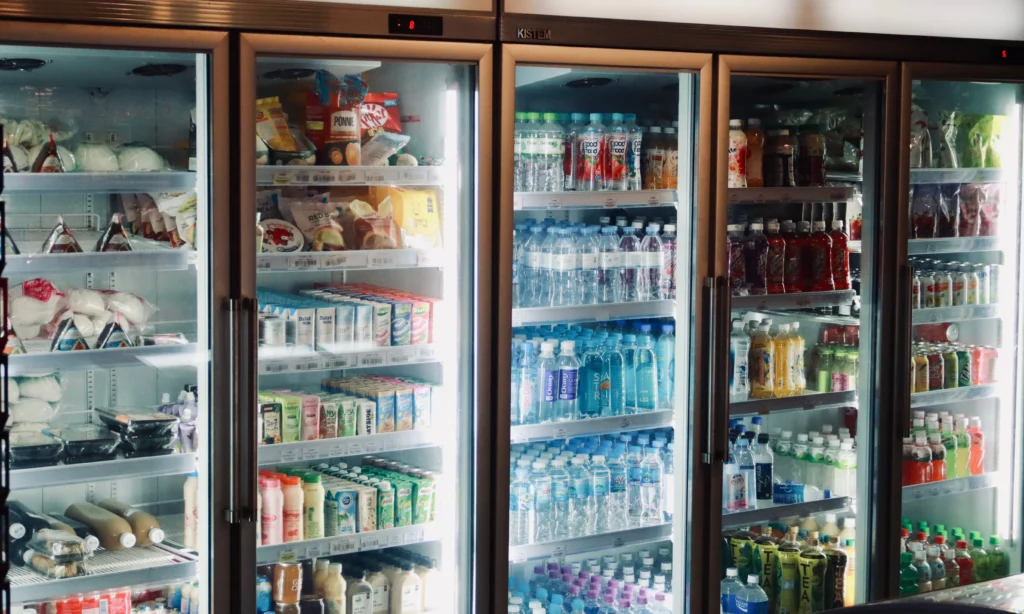
Search that question online and entire communities exist just to answer it for home fridges, because it comes up constantly. A restaurant or commercial kitchen is a different situation. The equipment runs nonstop, the stakes are higher, and food safety compliance is part of the math in a way it never is at home.
Here is how it usually plays out. A technician comes out to diagnose a unit that stopped holding temperature overnight. The visit alone typically runs $75 to $125, and that number climbs once a specific part gets identified. On a five-year-old reach-in cooler, that is money well spent. On a unit already past 12 years old that needed a fan motor replaced last winter, that same diagnostic fee is often the first real signal that a replacement quote is the better next call rather than another repair invoice.
A few checks are worth doing before any service call goes out:
- Listen for the compressor and fans. If neither one is actually running, that is your first clue.
- Check the condenser coils. A unit fighting through coils caked in dust works harder than it should and wears out faster because of it.
- Count last year’s repairs on this exact unit. One repair is a data point. Three is a pattern you should not ignore.
Since commercial units run every hour of every day, some technicians draw the replacement line even earlier than they would for lighter residential use, often closer to the 10-year mark rather than 12 or 13. Continuous operation simply wears down components faster than a unit that cycles on and off in a home kitchen.
The Hidden Costs Most Restaurant Owners Don’t Factor In

Most people weigh this decision using two numbers: the repair estimate and the price tag on a new unit. The real cost of refrigerator repair vs replacement usually includes a few line items that never show up on either quote, and overlooking them is exactly how a repair that looked cheap on paper ends up costing more than a replacement would have.
- Food spoilage. A failed unit can mean $150 to $300 or more in lost product before a technician even arrives, and that number climbs fast if it fails on a Friday night with parts not available until Monday.
- Temporary workarounds. Renting refrigerated storage, shifting product to another location, or sourcing from an outside vendor while a unit is down all cost real money that never appears on a repair estimate.
- Delivery and installation. New unit pricing rarely includes delivery, installation, or haul-away of the old one. Budget another $75 to $200 for those, more if wiring or plumbing needs adjusting for a different setup.
- Repeat repairs. One $250 repair is manageable on its own. Three repairs totaling $750 over 18 months, with another service call already on the horizon, is a different financial picture, and usually a sign replacement should have happened already.
Leasing your equipment changes this math entirely. Check the agreement first, since repair and replacement decisions may fall to a landlord or lessor rather than to you.
DIY Fixes vs. When You Need a Certified Technician
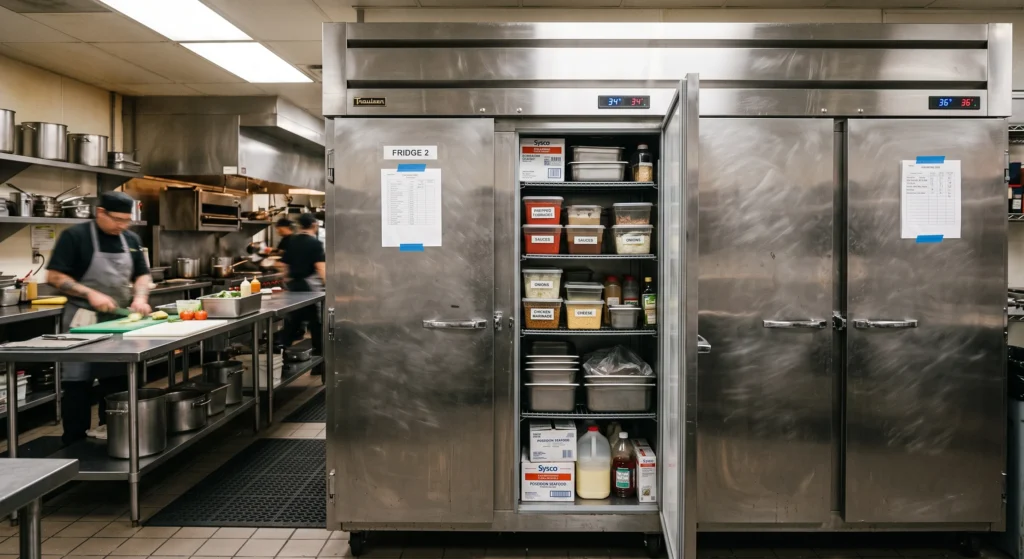
Some problems are simple enough to handle without calling anyone. Others require a licensed technician, and skipping that step is not just risky, it can be a federal violation.
Safe to handle yourself:
- Replacing a worn door gasket
- Vacuuming dust off the condenser coils
- Swapping a water filter
- Double-checking the thermostat setting
- Replacing shelving, drawers, or interior lighting
Call a certified technician for:
- Compressor failures
- Refrigerant leaks or sealed system work
- Electrical faults
- Control board issues
Handling refrigerant without EPA Section 608 certification is against federal law, not just a bad idea. Wagner HVAC & Refrigeration technicians carry that certification along with South Carolina Mechanical Contractor License #CLM.118927, so a diagnostic visit gives you an answer worth acting on instead of a guess. Knowing the difference between the two lists above ahead of time means less time standing around waiting on a callback for something that would have taken ten minutes to fix yourself.
When Repair Makes Sense (and When It Doesn’t)

Replace when:
- The unit is 12 or more years old and needs compressor or sealed system work
- The repair cost is more than half the replacement cost on any unit over 8 years old
- It has needed three or more repairs in the past two years
- It still runs on R-22 refrigerant, which gets harder and more expensive to source every year as supplies dwindle
- It can no longer keep up with actual volume
Repair when:
- The unit is under 7 years old and the issue is a single, known problem under $300
- It is still under manufacturer or extended warranty
- The fix is minor, such as a gasket, fan motor, or thermostat, and everything else runs well
- Budget or supply timing makes a full replacement impractical right now, and the repair can reasonably buy another 12 to 18 months of service
A well-maintained reach-in cooler or walk-in system can run 15 to 20 years, and the same repair-versus-replace thinking applies to commercial HVAC equipment too. If yours has a solid track record and has had regular preventive maintenance all along, putting money into a repair is often the right call, not just the easy one.
Get a Straight Answer Before You Spend a Dime

This decision comes down to three things: how old the unit is, what the repair actually costs, and what the next few years of ownership look like. Run the 50 percent rule, factor in age and repair history, and be honest about whether the unit still fits how the business actually runs day to day.
Wagner HVAC & Refrigeration offers honest, no-pressure diagnostics for restaurants and commercial facilities as an HVAC Contractor throughout Chapin, SC, and the surrounding Midlands. Request a diagnostic visit or call (803) 575-2919, and the answer comes straight either way: what is actually wrong, what it costs to fix, and whether fixing it is the smart move for that specific unit.
FAQs About Refrigerator Repair vs Replace
Does Wagner HVAC & Refrigeration handle both repair and replacement?
Yes. The goal on every call throughout Chapin, the Lake Murray area, and the greater Columbia region is an honest recommendation, whichever one actually fits your equipment and your budget.